
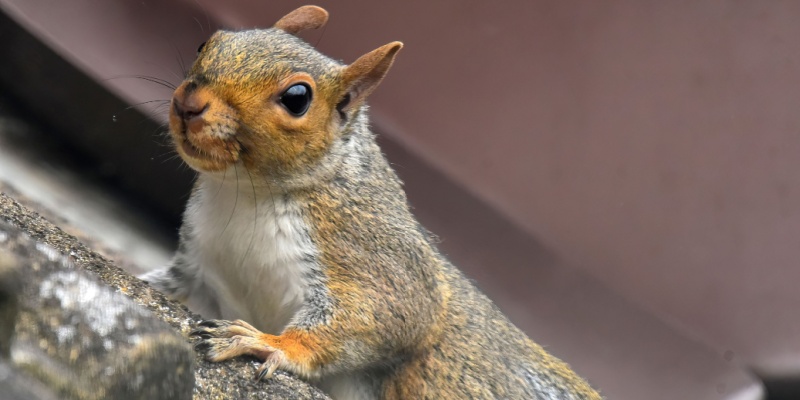
Squirrels might seem like harmless visitors, but when they find a way into your roofline, the problems can escalate quickly. In Northern Kentucky, these persistent animals often take advantage of small gaps along the roof’s edge, turning quiet attic spaces into nesting grounds. What starts as a few noises overhead can lead to chewed wires, insulation damage, and expensive repairs.
That’s why we take squirrel prevention seriously at Perfection Pest Control. Our team works with Northern Kentucky homeowners to stop these intrusions before they start and protect the home from repeat activity. In this post, we’ll look at what draws squirrels to the roofline, how to recognize early signs, and what steps you can take to keep them out for good.
Why Rooflines Are a Target for Squirrels
To a squirrel, your roofline is the perfect entryway. It’s elevated, quiet, and typically full of overlooked openings that provide direct access to the attic. Vents, gable ends, soffits, and gaps between roofing materials all offer easy routes inside, especially in older homes where weathering or wood rot has created weak points.
What makes the roofline especially appealing is its convenience. Squirrels can leap from nearby tree branches, climb siding or drainpipes, and access rooftops in just seconds. After they find a reliable spot, they tend to return regularly to build nests and seek shelter. These areas offer protection from predators, cover from cold weather, and a secure place to raise their young.
If your home is in a wooded or suburban area of Northern Kentucky, chances are your roofline is already on a squirrel’s radar. That’s why it’s important to pay attention to even the smallest signs of damage or wear around the exterior of your home. Early repairs can prevent a lot of trouble later on.
Key Prevention Strategies for Homeowners
Preventing squirrels from nesting in your roofline starts with awareness and a few smart adjustments around your home. While many steps can be handled on your own, choosing a professional prevention package can help ensure that all vulnerable areas are covered, especially in homes with older roofing or repeat issues.
Trim Back Tree Limbs and Access Points
Squirrels can leap over 8 feet to reach a rooftop. If tree branches, fences, or utility lines are close to your home, they’re likely being used as launch pads. Trimming limbs that hang too close to the house is one of the simplest and most effective ways to reduce roof access.
Seal Gaps and Weak Spots Around the Roofline
Small gaps in soffits, fascia boards, and attic vents are perfect entry points. Reinforce these areas using chew-resistant materials like metal flashing or hardware cloth. Pay special attention to corners, edges, and any place where wood is beginning to rot or pull away.
Install Chimney Caps and Vent Covers
Open chimneys and roof vents are common targets for squirrels looking to nest. Secure these spots with tight-fitting caps or screens designed to block wildlife while allowing airflow. This one-time fix can prevent repeat intrusions season after season.
Keep Outdoor Food Sources Under Control
Bird feeders, pet food bowls, and trash bins can attract squirrels and encourage them to stick around. If feeders are in use, keep them away from the house and use squirrel-proof designs when possible. Always store food in sealed containers and keep garbage lids tightly closed.
Stay on Top of Roof Maintenance
Worn or lifted shingles, sagging soffits, and loose flashing provide easy access. Regular roof inspections help catch minor issues before they turn into open doors. A well-maintained roofline is far less appealing to squirrels looking for shelter.
Early Warning Signs to Watch For
Squirrel problems often start quietly, but their presence leaves behind telltale signs—especially around the roofline and attic. Catching these early can help you act before the damage spreads.
Here are some common signs that squirrels may be nesting nearby:
- Hear scratching, scurrying, or light thumping overhead, especially in the early morning or late afternoon.
- Spot chew marks or widened gaps near attic vents, soffits, or fascia boards—common entry points squirrels use to get inside.
- Find shredded insulation, leaves, or debris collected near gutters, roof corners, or in attic spaces.
- Notice squirrel droppings in the attic or along roof beams, often small, dark, and pellet-shaped.
- See lifted shingles, bent vent covers, or loosened flashing along the roofline that may signal repeated squirrel activity.
If several of these signs are present, it may be time to take a closer look—or bring in a professional to assess the situation before it gets worse.
Keep Squirrels Out for Good
Stopping squirrels from nesting in your Northern Kentucky roofline starts with prevention, and the sooner you take action, the better. Regular maintenance, thoughtful landscaping, and sealing off vulnerable entry points can go a long way toward protecting your attic and roof.
If you’ve noticed signs of squirrel activity or want help securing your home from future problems, the team at Perfection Pest Control is here to help. We offer customized prevention packages designed to keep squirrels out and your home intact, without the damage and stress that come from letting the problem grow.