
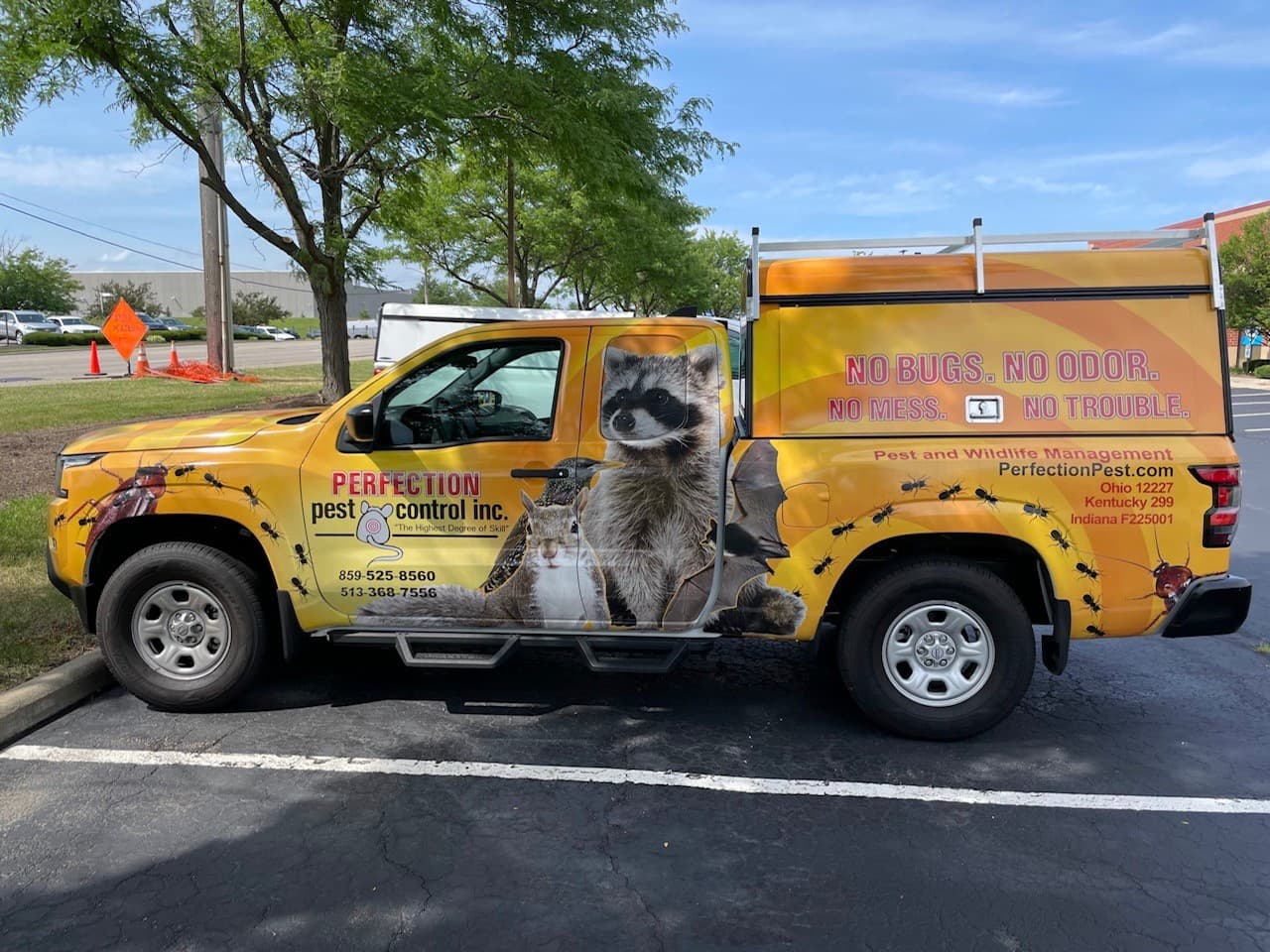
Protecting Your Home and Business
Since 1998.
Family-Owned.
Community-Trusted.
Founded in 1998 by Tim Leatherman, Perfection Pest Control has been protecting homes and businesses across Northern Kentucky, Greater Cincinnati, and Indiana for over 25 years.
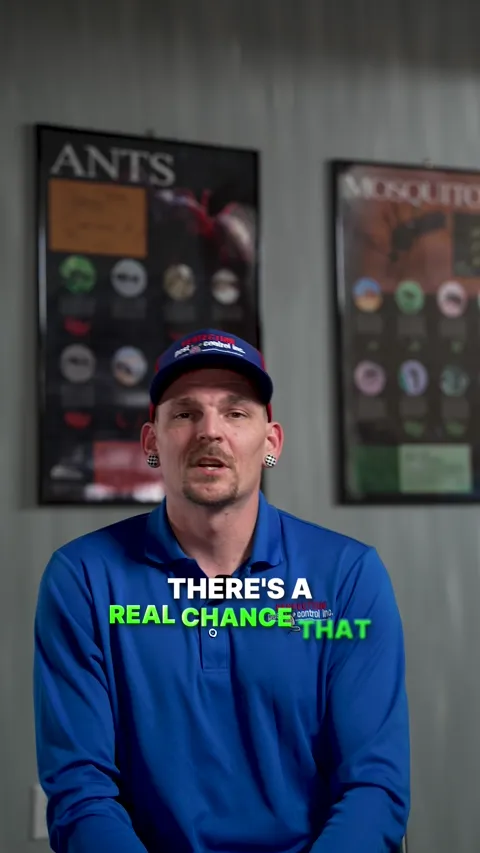
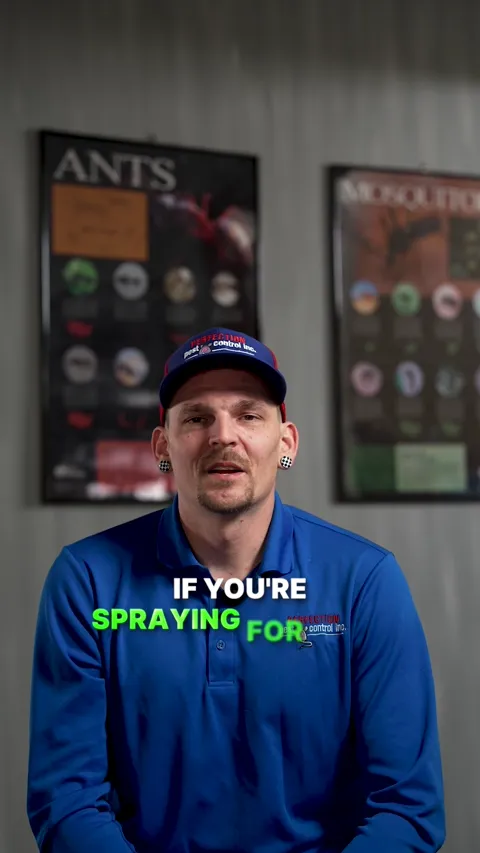
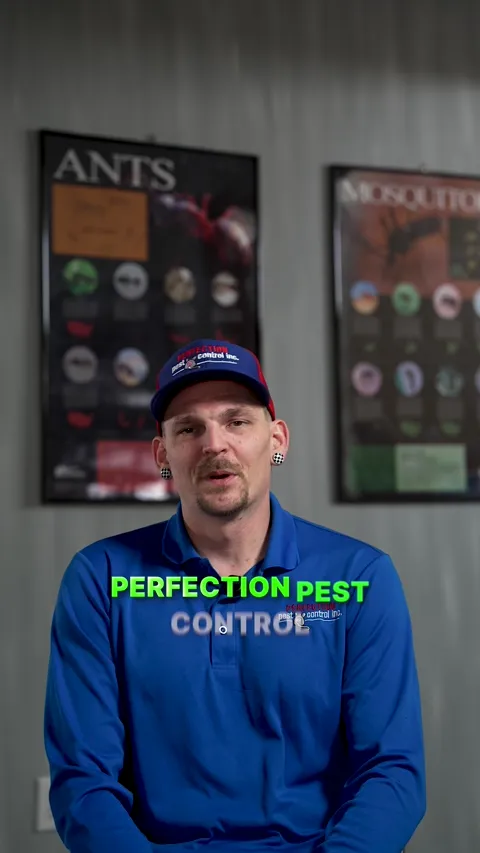
All our technicians are state-certified, and we maintain one of the lowest turnover rates in the industry — so you'll see the same friendly face at every visit.
Business
Licensed
Certified
Request a Free Estimate
Fill out our quick form and get a free estimate within 24 hours.
Get Your Free EstimateSee Us In Action
Your Questions,
Answered
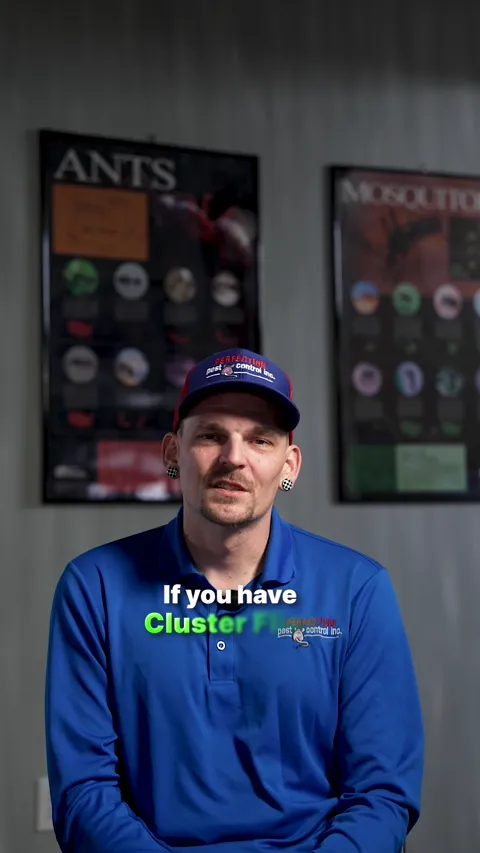
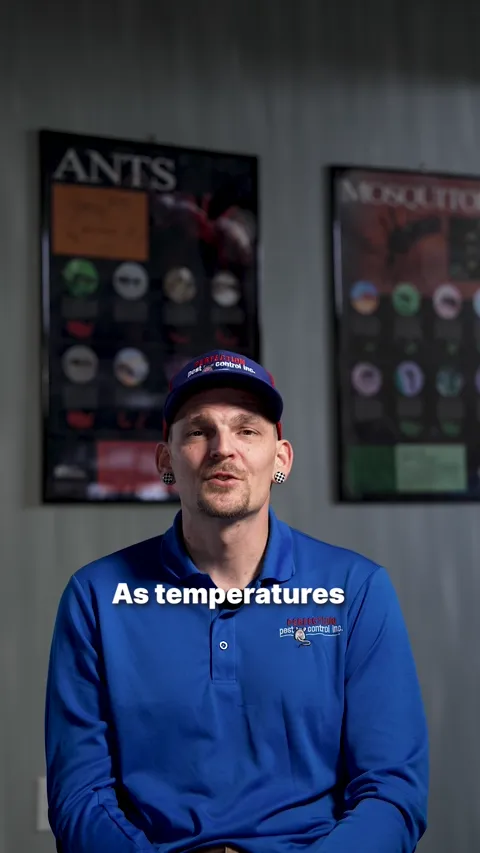
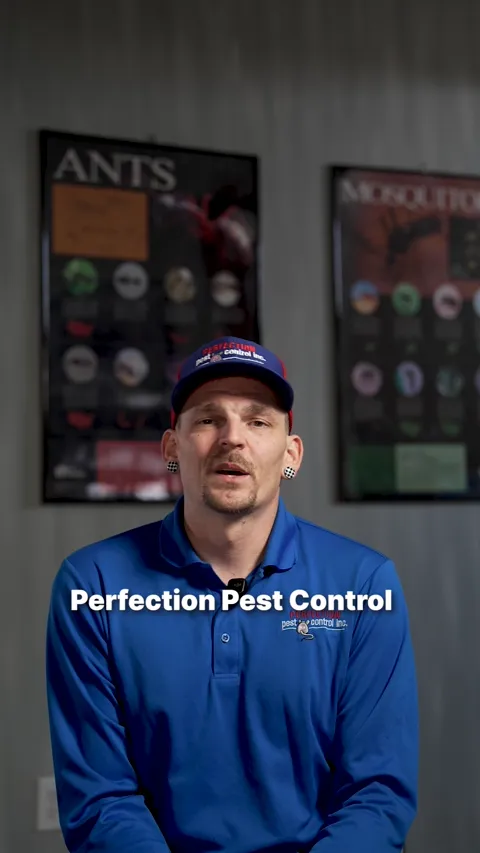
Complete Pest & Wildlife Solutions
Residential and commercial pest management backed by 25+ years of local expertise.
Residential Pest Control
Year-round protection for your home. We eliminate ants, spiders, roaches, bed bugs, fleas, and more with eco-friendly products safe for your family and pets.
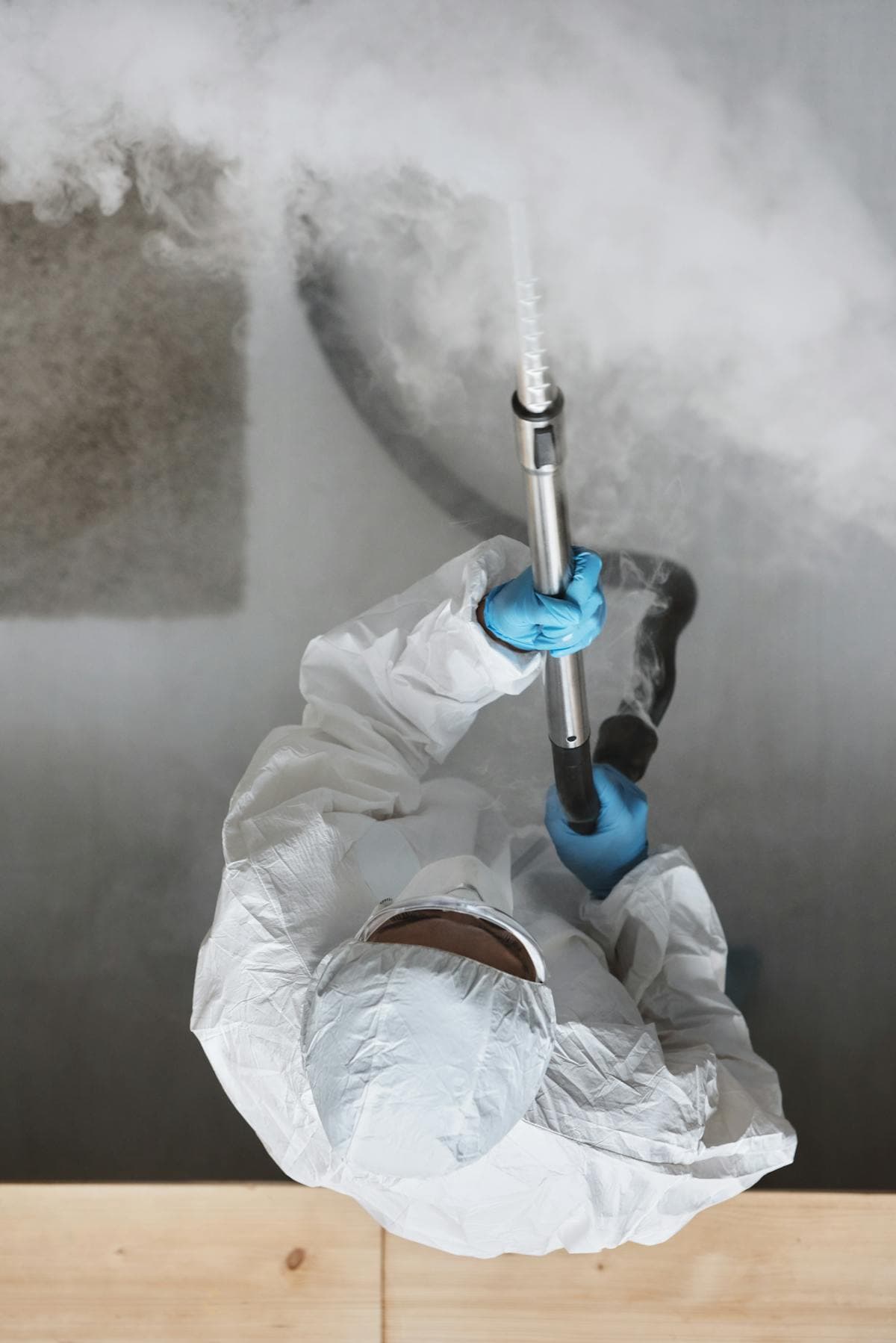
Commercial Pest Control
Reliable pest management for restaurants, offices, warehouses, and healthcare facilities. We keep your business compliant and pest-free with minimal disruption.

Termite Control
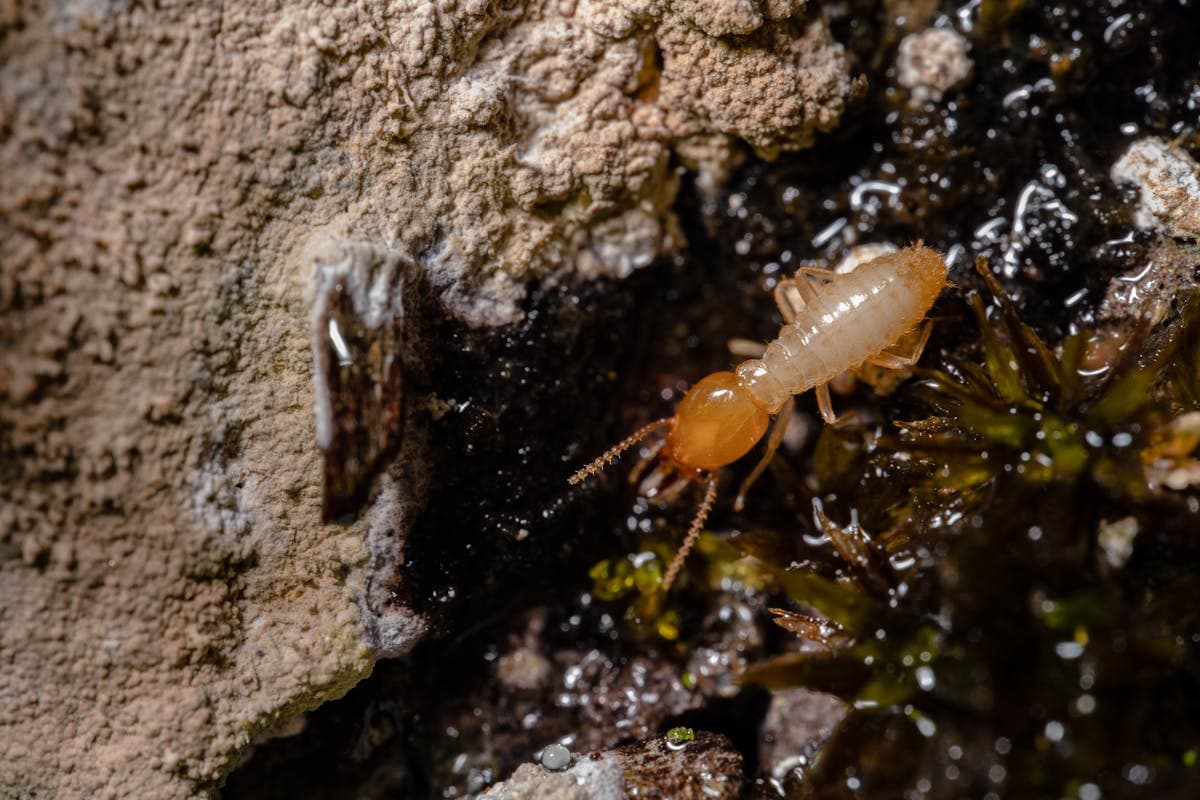
Comprehensive termite solutions including baiting systems, wood pre-treatment, and annual inspections. Protect your biggest investment from silent destroyers.
Wildlife Control
Humane exclusion and trapping for raccoons, squirrels, bats, and birds. We seal entry points to keep wildlife out for good.

If It Crawls, Flies, or Hides — We Handle It.
Three Simple Steps to a Pest-Free Home
Inspect
We perform a thorough inspection of your property, identifying pest problems, entry points, and conducive conditions.
Treat
Our licensed technicians apply targeted, eco-friendly treatments customized to your specific pest situation.
Protect
Ongoing monitoring and scheduled treatments keep your home pest-free year-round with our protection plans.
If pests return, so do we. Free.
Our protection plans include unlimited re-treatments at no extra cost.
Don't Take Our Word For It
Got Questions? We Have Answers.
Everything you need to know about our services, safety, and guarantees.
We value your time and comfort. In most cases, we offer same-day or next-day service across Northern Kentucky and Greater Cincinnati. For absolute emergencies, call us directly and we'll dispatch a technician as fast as possible.
Absolutely. As a family-owned business since 1998, safety is our top priority. We use EPA-approved, eco-friendly products and apply them using highly targeted methods that eliminate pests while keeping your children, pets, and the environment perfectly safe.
No, you don't. While our Year-Round Protection Plans offer the best value and guarantee for ongoing pest control, we also provide one-time services for specific issues like wasp nests, wildlife removal, or sudden infestations. We believe in earning your business, not locking you into it.
Our Year-Round Protection Plans come with the Perfection Guarantee. If covered pests return between your scheduled seasonal visits, we return to re-treat the affected areas at absolutely zero additional cost to you.
A standard initial service or thorough inspection usually takes between 45 to 90 minutes, depending on the size of your property and the extent of the issue. Routine seasonal maintenance treatments typically take 30 to 45 minutes.
Our one-time services start at $150 and our Year-Round Protection Plans start at just $39/month. Every home is different, so we offer free inspections and customized quotes with no obligation. Contact us for a free estimate tailored to your property.
Yes! We offer completely free, no-obligation inspections for all residential and commercial properties. Our licensed technicians will assess your situation, identify any pest issues, and provide a detailed quote — all at no cost. Schedule yours today.
Trusted & Certified
Proudly Affiliated With Industry Leaders







Areas We Serve
Local Expertise.
Tri-State Reach.
Proudly serving the Greater Cincinnati and Northern Kentucky region for over 25 years. Select your state below.
Ready for a Pest-Free Home?
Schedule your free inspection today. Same-day and next-day appointments available.