
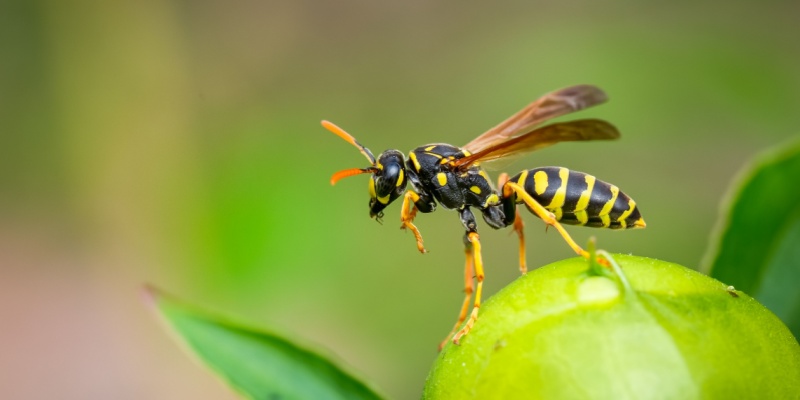
Wasps are a recurring problem for Cincinnati homeowners during the summer. Once they show up in your backyard, they can make it difficult to enjoy outdoor time. They hover around food, slip into drinks, and often build nests in hidden or hard-to-reach places.
At Perfection Pest Control, we help homeowners keep wasps away using safe, proven methods that actually work. While preventive steps can reduce wasp activity, professional control is the best way to fully eliminate nests and stop them from coming back. Here are five practical steps you can take to make your yard less inviting to wasps.
Cover Food and Drinks Outdoors
Backyard meals are part of what makes summer enjoyable, but wasps are quick to crash the party. Sweet drinks, leftover sauces, and even fruit scraps attract them fast. Keeping everything covered, especially during cookouts or gatherings, is one of the simplest ways to keep wasps away. Use lids, mesh covers, or enclosed drink containers to keep things sealed while you eat.
Once the meal wraps up, make cleanup part of your routine. Wipe down tables, remove empty plates, and rinse sticky drink cans or bottles. If you use a grill, give it a quick scrub to clear away residue. The less food you leave behind, the fewer wasps you’ll encounter around your space.
Hang Fake Wasp Nests Early
One surprisingly effective way to prevent nesting is to hang a fake wasp nest. Wasps are territorial and prefer not to build near an existing colony. A decoy gives the impression that the space is already taken, encouraging them to move along. It’s a simple visual deterrent that works best when placed early in the season, before real nesting begins.
You can purchase decoy nests or make your own using a brown paper bag. Hang them in quiet corners like eaves, pergola edges, or near backyard structures where nests often form. Be sure they stay dry and intact because damaged nests won’t fool anyone, especially not wasps.
Spray Essential Oil Repellents
Natural repellents made from essential oils can help discourage wasps from lingering around your outdoor space. Scents like peppermint, clove, and lemongrass are known to irritate wasps and make common landing spots less attractive. You can mix a few drops of oil with water and a small amount of dish soap, then spray the solution on fence posts, deck rails, or patio furniture.
Reapplying every few days, especially after rain, helps maintain a strong scent barrier. While essential oils won’t eliminate an active nest, they can support your overall pest control efforts by making your yard less appealing to stinging insects. At Perfection Pest, we use proven control measures and systems to deal with recurring wasp problems and often recommend natural repellents as a simple first step in a more comprehensive plan.
Grow Wasp-Repelling Herbs
Your garden can double as a natural defense system against wasps. Certain herbs, like mint, thyme, basil, and citronella, release scents that discourage wasps from lingering or nesting nearby. These plants are easy to maintain and thrive in containers or ground beds, making them ideal for Cincinnati’s summer climate.
Place them strategically around patio edges, doorways, or sitting areas where wasps might approach. Not only do they help repel pests, but they also add texture and fragrance to your outdoor space. If you already enjoy gardening, this is a win-win method that blends beauty with protection.
Set and Maintain Wasp Traps
If you’re noticing consistent wasp activity, it might be time to set out a few traps. DIY options using sugar water or apple cider vinegar can attract and trap wasps before they make it to your dinner table. Store-bought versions are also effective and often designed for outdoor use without harming other pollinators.
The key is to place traps away from gathering areas so wasps are drawn away from where people are eating or relaxing. Check and clean them regularly so they don’t overflow or become a new attractant. Traps aren’t a cure-all, but they help reduce wasp numbers and keep your yard more comfortable.
Wasp Myths
Before you try to manage wasps in your backyard, it helps to clear up a few common myths. One of the most widespread is the idea that wasps only sting once. Unlike bees, many wasp species can sting repeatedly without harm to themselves. Another common belief is that all wasps build nests, but some species are solitary and don’t create the large paper structures most people associate with wasp activity.
It’s also easy to assume every sting is dangerous, but most people experience only mild pain, swelling, or redness. Serious allergic reactions are less common. Another myth is that wasps are always aggressive. In reality, most wasps won’t sting unless they feel threatened or their nest is disturbed. Knowing the difference between fact and fiction can help you respond calmly and take the right steps to keep your yard safe.
Hire Us This Summer
At Perfection Pest Control, we understand the importance of keeping your yard and outdoor living spaces free from pesky wasps. Our seasoned technicians can conduct a thorough inspection of your property to identify any areas where wasps may be nesting or congregating. We then use effective and environmentally friendly methods to eliminate them and prevent future infestations. Contact us today to schedule your wasp control service and enjoy a worry-free outdoor experience.