
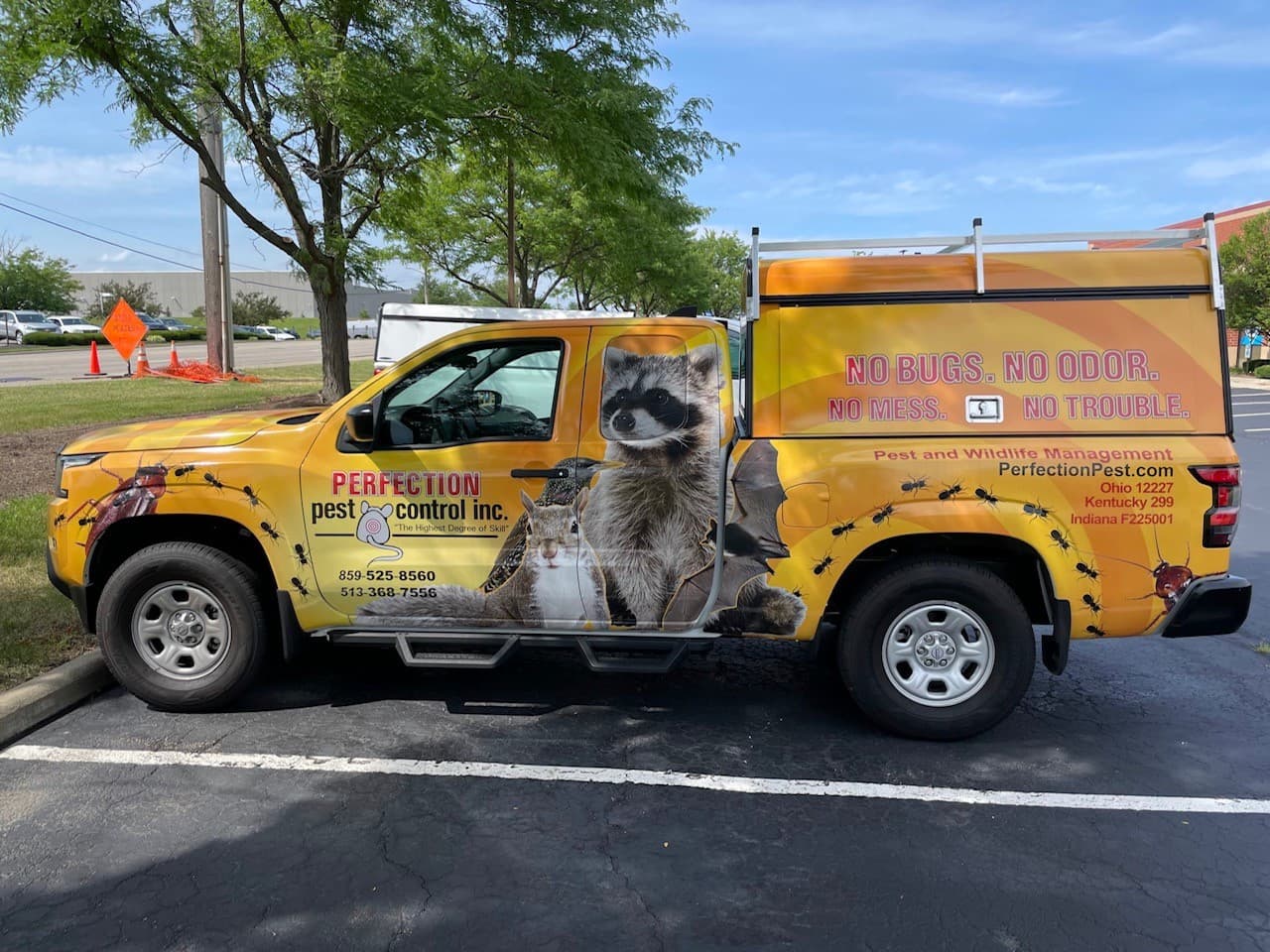
Wildlife Exclusion Services in Kenwood
Trapping removes the animal. Exclusion keeps the next one out. If wildlife has gotten into your home in Kenwood, Ohio, the entry points they used are still open, and other animals will find them. Perfection Pest Control provides permanent wildlife exclusion for homes and commercial buildings throughout Hamilton County. We seal every gap, vent, and vulnerability with materials animals can't chew or pry through. No pesticides, no poisons, just physical barriers that work.
Call for Inspection (Fee May Apply)What Is Wildlife Exclusion?
Wildlife exclusion is the process of physically sealing a building to prevent animals from entering. It's the most important step in any wildlife control job, and it's the step most companies skip or do poorly.
Exclusion doesn't rely on chemicals, repellents, or deterrents. It uses construction-grade materials, heavy-gauge hardware cloth, galvanized steel flashing, commercial sealants, and copper mesh, to permanently close every opening that wildlife can exploit. When done correctly, exclusion solves the problem once. Without it, you're just cycling through the same animals year after year.
Perfection Pest Control has been performing exclusion work across the tri-state area since 1998. We know where animals get in, what materials stop them, and how to seal a building without compromising ventilation, drainage, or code compliance.
Animals We Exclude
Our exclusion services cover every common wildlife species in Kenwood and the surrounding area:
- Bats: Require one-way exclusion doors during the legal window (September through April). We seal every gap 3/8 inch or larger after the colony has departed.
- Birds: Starlings, sparrows, and pigeons are excluded with vent guards, bird netting, spikes, and chimney caps. Federally protected species are handled within Migratory Bird Treaty Act guidelines.
- Raccoons: Seal soffits, roof returns, and vent covers with heavy-gauge materials raccoons can't rip apart. Raccoons are strong enough to tear through standard screening and thin aluminum.
- Squirrels: Close gnaw points and reinforce construction gaps with materials squirrels can't chew through. Requires 16-gauge or heavier galvanized hardware cloth or steel flashing.
- Opossums and groundhogs: Secure foundation vents, crawl space openings, and deck/porch gaps with buried hardware cloth or concrete barriers.
- General prevention: Chimney caps, ridge vent baffles, gutter guards, and dryer vent covers to protect against opportunistic entry by any species.
Common Entry Points We Seal
After 25+ years of wildlife work in this region, we've cataloged the entry points animals use most. Your home likely has several of these vulnerabilities, even if you haven't had a wildlife problem yet.
Roof and Attic - Soffit intersections where the roof meets the wall. This is the #1 entry point for squirrels and raccoons. Construction gaps here are often left open by builders. - Ridge vents with missing or deteriorated baffles. Bats exploit these openings nightly. - Gable vents with rusted or torn screening. A favorite entry for bats and birds. - Roof vents and plumbing boots with cracked collars or missing screens. - Chimney flues without caps. Raccoons climb in. Birds nest on ledges. Rain and debris enter freely.
Walls and Foundation - Plumbing, HVAC, and electrical penetrations through exterior walls that were never sealed properly. - Dryer vents and exhaust vent covers that have fallen off, broken, or been pushed open by animals. - Foundation vents in crawl spaces. Opossums, skunks, and groundhogs use these regularly. - Gaps where siding meets the foundation, especially at corners and where additions were built.
Other Structures - Rotted fascia board that raccoons and squirrels can pull apart by hand. - Gaps under garage doors large enough for mice, rats, and snakes. - Deck and porch openings that provide den sites for groundhogs and opossums.
Our Exclusion Process
Every exclusion job follows the same proven process, whether we're sealing a single entry point or hardening an entire building.
Step 1: Full Exterior Inspection We inspect every inch of your building's exterior from foundation to roofline. We document active entry points (where animals are currently getting in), potential entry points (gaps and vulnerabilities that haven't been exploited yet), and any damage caused by wildlife. For bat jobs, we conduct a dusk watch to identify exactly which openings the colony is using.
Step 2: Animal Removal (If Present) If animals are currently inside, we remove them humanely before sealing. Methods depend on the species: live trapping for raccoons and squirrels, one-way exclusion doors for bats, nest removal for birds (when legally permitted). All animals are handled according to State Fish and Wildlife regulations.
Step 3: Permanent Sealing We seal every identified entry point using species-appropriate materials. Heavy-gauge galvanized hardware cloth for large openings. Steel flashing for roof returns and soffit gaps. Copper mesh and commercial sealant for pipe penetrations. Concrete or buried hardware cloth for foundation-level openings. We don't use expanding foam, lightweight screening, or caulk as primary barriers. Animals chew through those in days.
Step 4: Ventilation and Code Compliance Exclusion must not compromise your building's ventilation, drainage, or fire safety. We install screened vent covers that maintain airflow while blocking wildlife. Chimney caps include spark arrestors. Soffit repairs maintain required attic ventilation ratios. Every repair meets local building code requirements.
Step 5: Cleanup and Restoration If animals have been inside, we address the contamination they left behind: remove soiled insulation, sanitize and deodorize affected areas, inspect wiring for chew damage, and replace insulation to restore energy efficiency. This eliminates scent markers that attract future animals to the same spot.
Why Exclusion Beats Repellents and Deterrents
We hear from homeowners who've tried everything: mothballs in the attic, ammonia-soaked rags, ultrasonic devices, strobe lights, predator urine, loud music. None of these produce lasting results.
An animal that has established a den in your home has invested significant energy in finding and maintaining that space. A bad smell or annoying noise isn't going to convince it to leave a warm, safe shelter with easy access to food and water. University studies from Arizona, Kansas State, and others have confirmed that ultrasonic devices have no measurable effect on wildlife behavior.
Physical exclusion is the only method that provides a permanent solution. When every gap is sealed with materials the animal can't defeat, the problem is solved. Period. That's why we warranty our exclusion work: if wildlife gets back in through an entry point we sealed, we come back at no charge.
Seasonal Considerations
Timing matters for exclusion work, especially for protected species.
Bats: Legal exclusion window is approximately September through April. During maternity season (May through August), flightless juveniles are present and exclusion would trap them inside. We inspect during maternity season to prepare, then begin exclusion as soon as the window opens.
Birds: Federally protected migratory birds cannot be disturbed while nesting with eggs or young. We schedule exclusion for after the nesting period, typically late summer through winter. Non-protected species (house sparrows, European starlings, pigeons) can be excluded year-round.
Raccoons and Squirrels: Both have juvenile seasons (raccoons: March through May; squirrels: March through April and August through September). During these periods, we check for young before sealing and use reunion boxes or timed exclusion to ensure no juveniles are trapped inside.
Best time for preventive exclusion: Late fall, before animals start looking for winter den sites. A full exclusion in October or November means you're protected all winter when wildlife pressure is highest.
Frequently Asked Questions
Exclusion costs depend on the number of entry points, accessibility (single-story vs. multi-story), and materials required. Sealing a single entry point runs $150 to $400. A full-home exclusion inspection and sealing typically ranges from $800 to $2,500. Attic restoration (insulation removal, sanitization, and replacement) is a separate scope. We provide a detailed estimate after inspection.
Most residential exclusion jobs are completed in 1 to 2 days. Full-building exclusion for commercial properties or large homes with extensive vulnerabilities may take 2 to 3 days. Bat exclusion requires an additional 3 to 7 days for the one-way doors to allow the colony to depart before final sealing.
Yes. We warranty all exclusion work. If wildlife re-enters through an entry point we sealed, we return and fix it at no additional charge. Our materials and methods are chosen specifically to resist the animals common to this region.
You can seal obvious gaps, but most homeowners miss entry points. Bats can fit through a 3/8-inch gap. Mice need only 1/4 inch. Squirrels can gnaw through materials you'd expect to hold. Professional exclusion means every entry point is found and sealed with the right materials. It also means compliance with wildlife regulations for protected species.
No. Exclusion is the most humane approach to wildlife control. Animals are allowed to leave through one-way devices or are humanely trapped and handled according to State Fish and Wildlife regulations before entry points are sealed. We always check for juveniles before sealing during breeding seasons.
Yes. If animals were inside your home, the entry points they used are still open. Wildlife leaves scent markers that attract other animals to the same spots. Without exclusion, new animals will find those openings, often within weeks. Sealing after removal is what prevents the problem from recurring.
Keep Wildlife Out of Your Kenwood Home. Permanently
Trapping without exclusion is a temporary fix. Perfection Pest Control seals every entry point with materials wildlife can't defeat. No pesticides, no poisons, just permanent protection. Over 25 years of wildlife exclusion experience in Hamilton County. Note: Wildlife exclusion inspections require a $75 inspection fee.